Yes — it's safe to use AI in your business, as long as you follow a few simple rules. The risk isn't AI itself; it's putting the wrong information into the wrong tool. Get that distinction right and you can use AI confidently. Get it wrong and you risk a data breach. Here's exactly where the line is.
What the real risk actually is
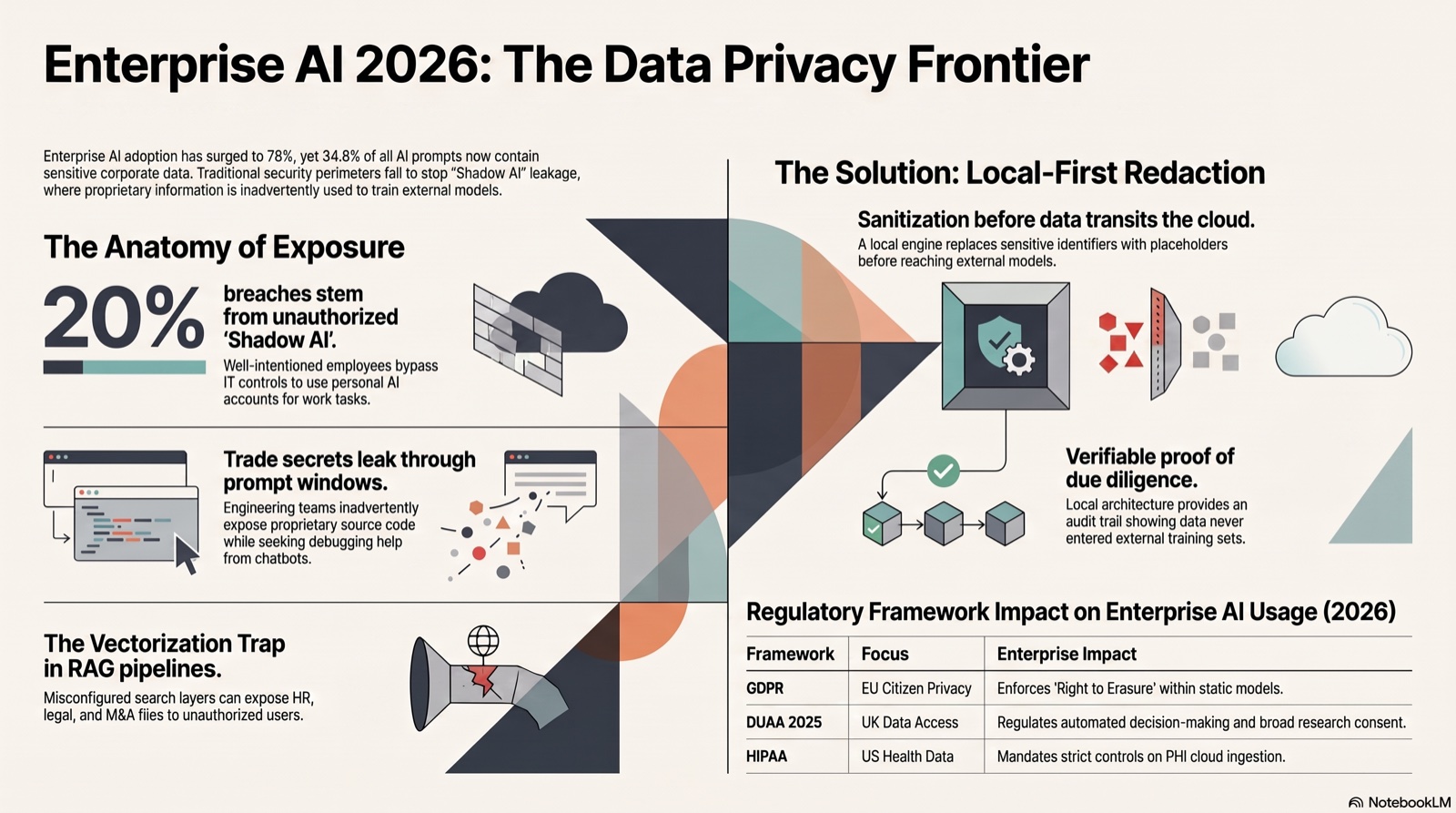
The headline worry is data. When you type something into a public AI tool — the free consumer version of ChatGPT and similar — that text can be retained and, on some tiers, used to help train the model. So the danger isn't that AI is malicious; it's that a well-meaning employee pastes something confidential into a tool that wasn't designed to keep it private.
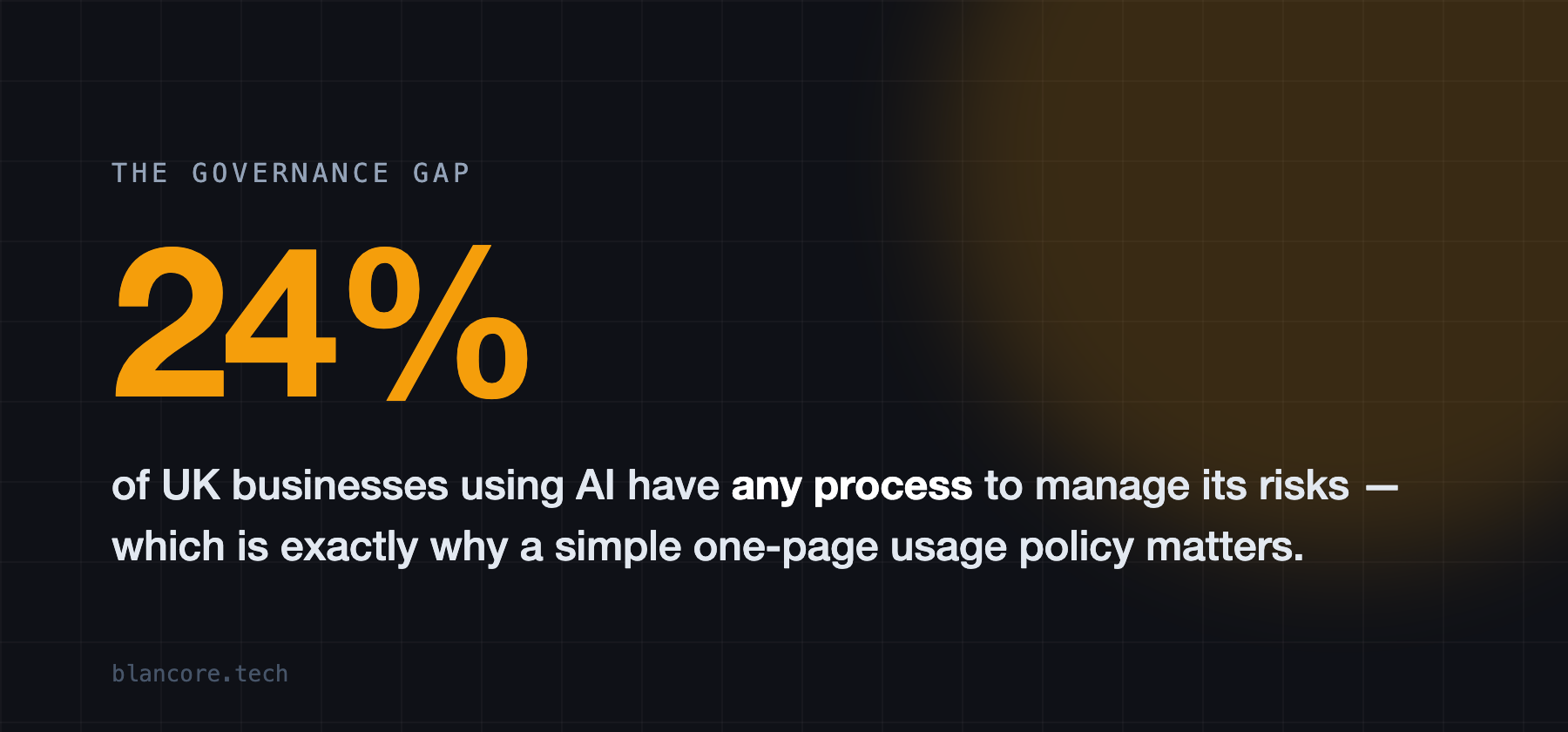
This isn't hypothetical. There have been real cases of staff leaking source code and confidential internal notes by pasting them straight into public AI tools. And worryingly few businesses have any policy to prevent it.
The one golden rule
Never paste confidential or customer information into a public AI tool. A good test: if you wouldn't post it publicly online, don't paste it into a public chatbot.
That single rule prevents the vast majority of AI data incidents. Everything else is detail.
Safe vs risky: know the difference
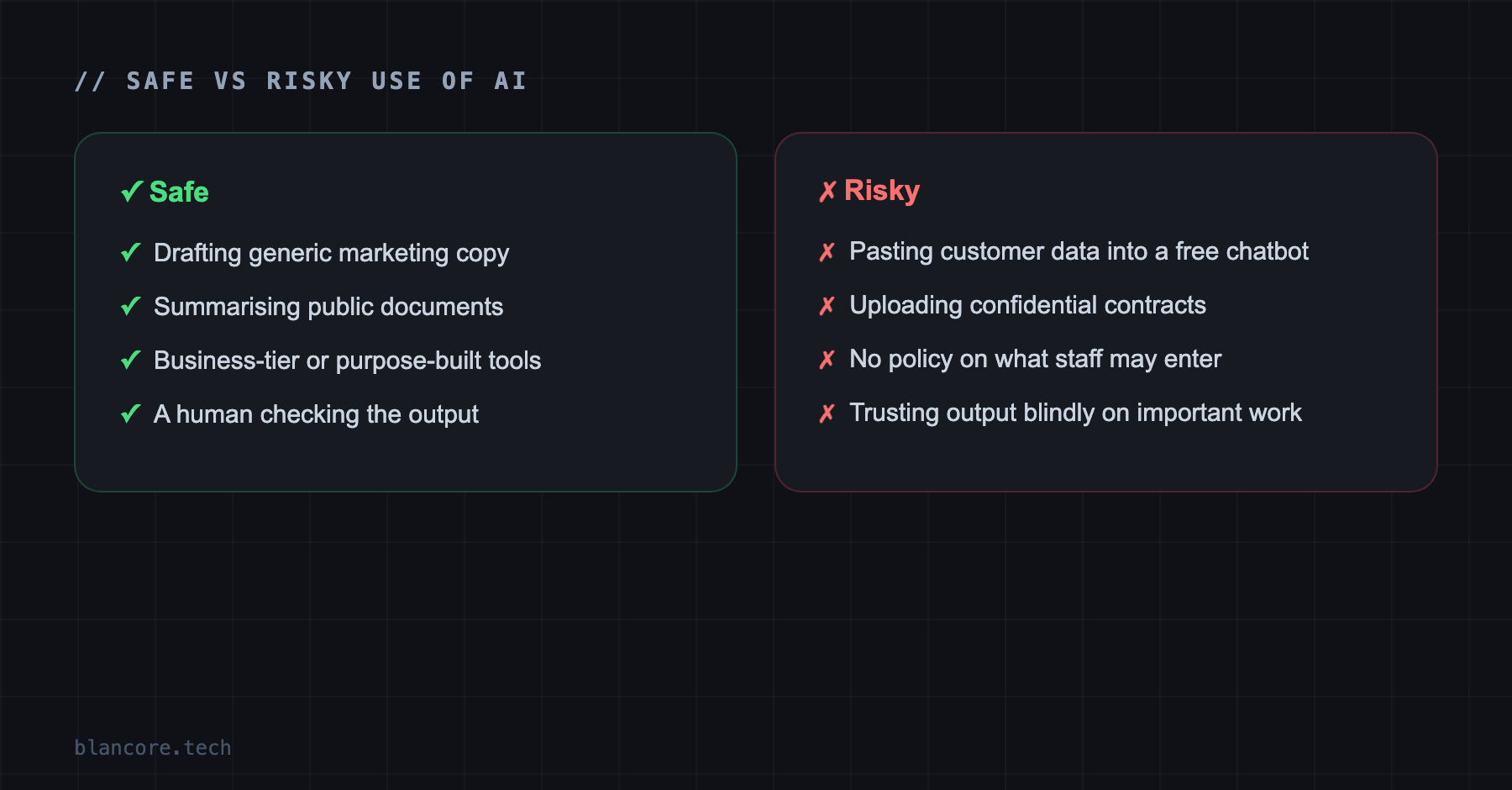
Drafting a generic marketing email? Safe. Summarising a public document? Safe. Pasting a spreadsheet of customer details into a free chatbot to "tidy it up"? Risky. Uploading a confidential contract to a consumer tool? Risky. The pattern is simple: personal or confidential data needs a tool built to protect it.
Consumer, business, or purpose-built?
Not all AI tools are equal on privacy:
- Free / consumer tiers — fine for general, non-sensitive tasks. Assume anything you type could be retained. Don't put customer or confidential data in.
- Business / enterprise tiers — exclude your data from training and add admin controls. Suitable for more sensitive work when configured correctly.
- Purpose-built solutions — AI built into your own systems, where the data stays under your control, isn't used to train public models, and can be kept in UK or EU regions. This is the safest option for anything involving customer data.
What about UK GDPR?
AI is neutral in the eyes of the law — compliance depends on how you deploy it. Pasting personal data into a public chatbot can breach UK GDPR. A properly built business solution, by contrast, is designed around it: agreed data-processing terms, data minimisation, and processing kept in the right regions. This is exactly how we approach every AI solution and custom build — safety isn't bolted on afterwards, it's the starting point.
How to use AI safely — a simple checklist
- Write a one-page AI policy. Which tools are approved, what data may and may not go in, and where a human checks the output.
- Use the right tier. Business/enterprise or purpose-built for anything sensitive; consumer tools only for general tasks.
- Keep a human in the loop. AI drafts and suggests; a person approves anything that matters.
- Train your team. Most incidents are honest mistakes — five minutes of guidance prevents them.
Used this way, AI is not only safe — it's one of the biggest opportunities a UK business has right now. The businesses that get hurt are the ones that either ban it (and fall behind) or use it carelessly. The sweet spot is deliberate, policied, and built for your data.
Sources & further reading
Governance figures reflect widely-reported UK surveys of AI adoption and are indicative. For the authoritative position on AI and personal data, see the ICO.
Frequently asked questions
Keep reading
Have a project in mind?
Tell us what you're trying to solve and we'll come back within 24 hours — no hard sell.
Start a Conversation